
Introduction
Contracts are the backbone of any business, ensuring clear agreements and protecting both parties involved. For small businesses, contracts can be especially important as they help avoid misunderstandings, legal disputes, and financial losses. However, many small business owners make common mistakes when drafting or entering contracts, which can lead to significant problems down the road. This post will explore the most frequent contract mistakes small businesses make and provide tips on how to avoid them.
1. Not Putting Agreements in Writing
One of the biggest mistakes small businesses make is relying on verbal agreements or informal arrangements. While verbal agreements may hold up in court, they are difficult to prove and can lead to disputes if there is any misunderstanding between the parties.
Why It’s a Problem: Without a written contract, it’s your word against the other party’s, making it hard to enforce your rights if things go wrong.
How to Avoid It: Always put agreements in writing, no matter how small the deal seems. A written contract provides clear documentation of the terms, responsibilities, and expectations of both parties, making it easier to resolve issues if they arise.
2. Failing to Define Key Terms Clearly
Ambiguity in a contract can lead to confusion and disagreements later on. Vague language or undefined terms can make it difficult to understand what each party is responsible for.
Why It’s a Problem: If a contract lacks clear definitions, the parties may have different interpretations of their obligations, which can lead to disputes or even lawsuits.
How to Avoid It: Clearly define all key terms in the contract. For example, if you’re working on a project, be specific about deadlines, deliverables, payment terms, and any conditions for termination. Avoid vague words like “soon” or “reasonable,” and use precise terms that leave little room for interpretation.
3. Overlooking Important Clauses
Some small businesses may use a generic contract template without customizing it to suit their specific needs. As a result, important clauses, such as dispute resolution, confidentiality, or non-compete agreements, may be missing.
Why It’s a Problem: Omitting key clauses can leave your business vulnerable to legal disputes, breaches of confidentiality, or other risks that could have been easily avoided.
How to Avoid It: Review each contract carefully and ensure it includes all relevant clauses for your situation. Common clauses to include are:
Confidentiality: To protect sensitive information.
Dispute Resolution: To outline how disputes will be handled (e.g., arbitration or mediation).
Termination: To define the conditions under which the contract can be ended.
It’s always a good idea to consult with an attorney to make sure all necessary clauses are included.
4. Not Reading the Contract Thoroughly
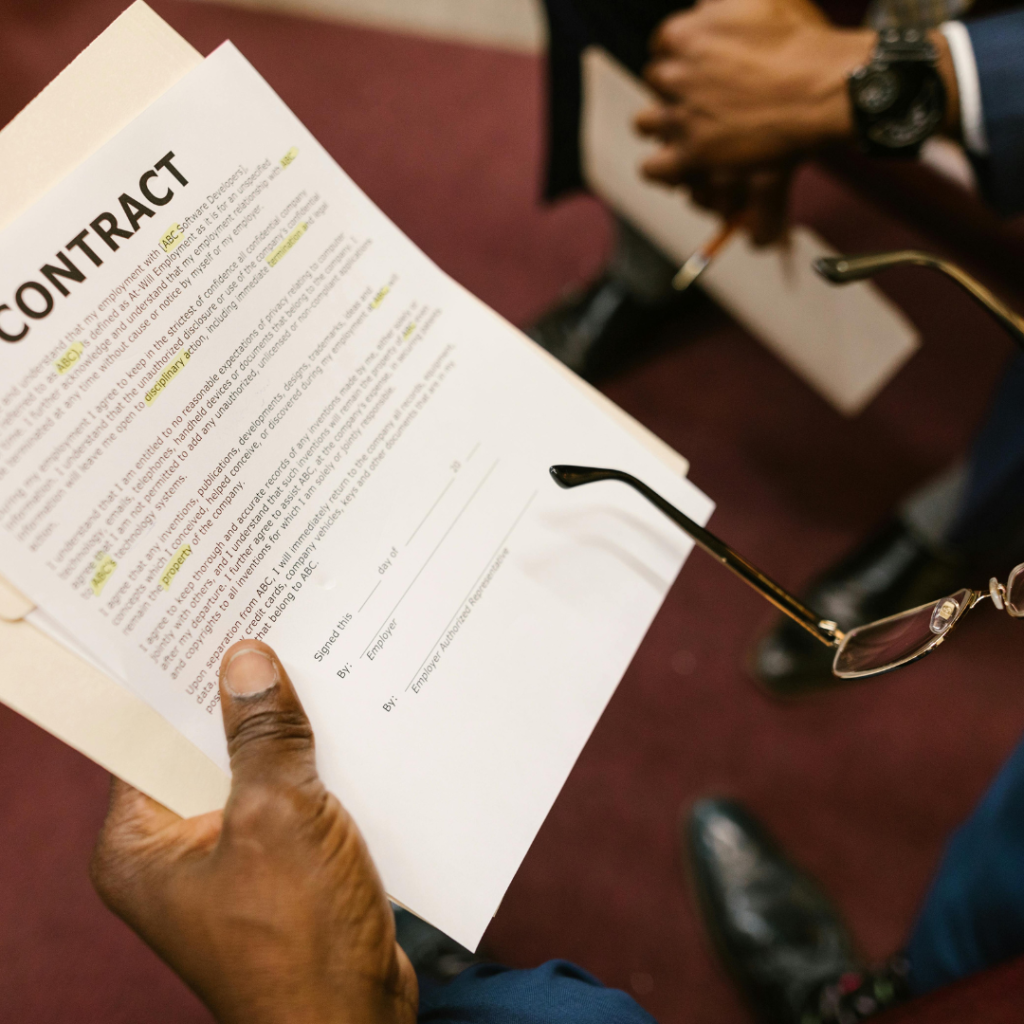
Small business owners are often pressed for time and may be tempted to skim through contracts rather than read them in full. However, failing to read a contract thoroughly can result in missing critical details or agreeing to unfavorable terms.
Why It’s a Problem: You may overlook terms that put your business at a disadvantage, such as hidden fees, restrictive clauses, or unfair responsibilities.
How to Avoid It: Take the time to read every contract carefully before signing. Make sure you understand all the terms and ask for clarification if something is unclear. If possible, have a lawyer review the contract to ensure there are no hidden pitfalls.
5. Ignoring State and Federal Laws
Contracts are subject to state and federal laws, and failing to comply with these laws can render your contract unenforceable or result in legal penalties.
Why It’s a Problem: If your contract doesn’t comply with applicable laws, it may not be legally binding, and you could face lawsuits or regulatory fines.
How to Avoid It: Ensure your contracts comply with all relevant laws, including those related to employment, intellectual property, and industry-specific regulations. Consulting with a legal professional can help ensure that your contract is legally sound and enforceable.
6. Not Including a Dispute Resolution Clause
Many small businesses fail to include a dispute resolution clause in their contracts, assuming they won’t need it. However, if a disagreement arises, a dispute resolution clause can save time and money by outlining how conflicts will be resolved.
Why It’s a Problem: Without a clear method for resolving disputes, disagreements may lead to costly litigation, which can strain a small business’s resources.
How to Avoid It: Include a dispute resolution clause that specifies how disputes will be handled, such as through negotiation, mediation, or arbitration. This can help avoid expensive court battles and provide a more amicable way to settle disagreements.
7. Failing to Address Intellectual Property (IP) Rights
In industries where intellectual property (IP) is a key asset, small businesses often neglect to define ownership of IP in their contracts. This can lead to disputes over who owns the work or ideas produced under the contract.
Why It’s a Problem: If IP rights are not clearly defined, your business may lose ownership of valuable assets such as logos, software, or creative works produced by contractors or employees.
How to Avoid It: Always include clear IP clauses in your contracts, specifying who owns the IP rights to any work produced during the business relationship. If you want to retain ownership, make it explicit in the contract.
8. Not Including Termination Provisions
Many small business contracts fail to specify how the agreement can be terminated. This leaves both parties in limbo if the business relationship needs to end early.
Why It’s a Problem: Without termination provisions, it can be unclear how and when the contract can be ended, potentially leading to prolonged obligations or disputes over incomplete work.
How to Avoid It: Include clear termination clauses that outline the conditions under which the contract can be terminated, such as breach of contract, non-performance, or mutual agreement. Specify any required notice periods and any penalties for early termination.
9. Not Updating Contracts Regularly
Over time, business needs and legal regulations change, but many small businesses fail to review and update their contracts accordingly. This can result in outdated terms that no longer serve the business’s best interests.
Why It’s a Problem: If a contract no longer reflects current laws or business needs, it may expose your business to legal or financial risks.
How to Avoid It: Regularly review and update your contracts to reflect any changes in your business operations, industry standards, or legal requirements. Conducting periodic contract audits can help ensure your agreements stay current and legally sound.
10. Not Having Legal Counsel Review Contracts
Finally, many small businesses skip the step of having a lawyer review their contracts, either to save money or because they feel confident in their own understanding of the terms.
Why It’s a Problem: Without legal expertise, you may overlook critical legal issues or fail to protect your business adequately, leading to costly consequences in the future.
How to Avoid It: Whenever possible, have an experienced business attorney review your contracts before signing. While this may involve an upfront cost, it can save you from potential legal disputes or financial losses down the road.
Conclusion
Contracts are vital tools for small businesses, but common mistakes can lead to misunderstandings, disputes, and legal challenges. By putting agreements in writing, clearly defining terms, and seeking legal counsel, you can avoid many of these pitfalls. Taking the time to draft well-structured contracts will protect your business and foster smoother relationships with clients, partners, and vendors.