
Introduction
Car accidents are stressful and often happen unexpectedly, leaving you overwhelmed and unsure of what to do next. However, knowing the correct legal steps after a car accident is essential for protecting your rights and securing compensation for any damages or injuries you may suffer. This post will help you through the immediate actions to take after an accident and how to handle the legal process efficiently.
1. Ensure Safety First
The first and most important step after any car accident is to ensure that everyone involved is safe.
Check for Injuries: If you or anyone else is injured, call for emergency medical assistance immediately.
Move to a Safe Location: If possible, move your vehicle to the side of the road or a safe area to prevent further accidents. However, if the accident is severe, leave the vehicle where it is until the police arrive.
Turn on Hazard Lights: Make sure your hazard lights are on to alert other drivers of the accident.
Ensuring safety should be your top priority, as failing to do so can not only put lives at risk but also complicate your legal case.
2. Contact the Police
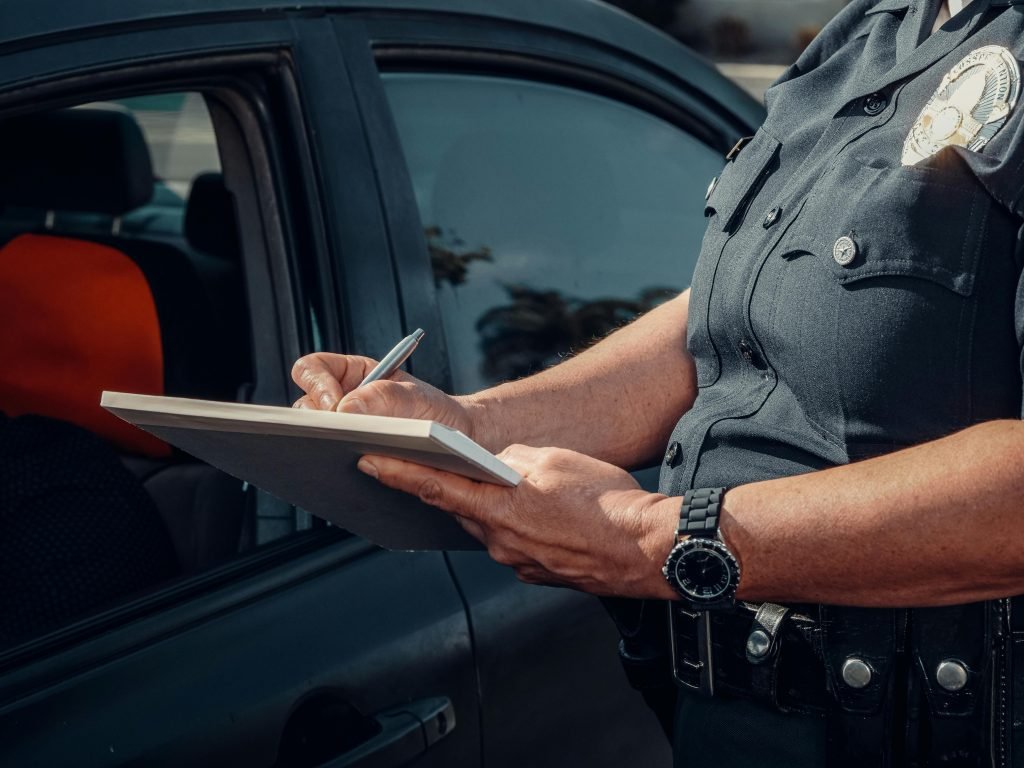
Even in minor accidents, it’s important to contact the police and file an official accident report. The police report will serve as valuable evidence for insurance claims and legal proceedings.
Provide Accurate Information: When the police arrive, explain the accident truthfully and to the best of your ability. Stick to the facts, and avoid assigning blame or admitting fault.
Obtain the Report: Request a copy of the police report, as it will play a key role in proving fault and liability in your case.
Failing to file a police report may weaken your case if you need to seek compensation later on.
3. Exchange Information with Other Drivers
It’s essential to exchange information with the other parties involved in the accident, including drivers, passengers, and witnesses.
Gather Details: Collect the following information:
Full name, address, and contact details of the other driver(s)
License plate number
Driver’s license number
Insurance information
Make, model, and color of the vehicle
Names and contact information of witnesses
Having this information will make the claims process smoother and ensure that all involved parties are held accountable.
4. Document the Scene
Proper documentation of the accident scene can make or break your case. Detailed evidence is crucial for proving what happened and supporting your insurance or legal claims.
Take Photos: Capture pictures of the following:
Damage to all vehicles involved
Your injuries (if visible)
The surrounding area, including road signs, traffic signals, and any skid marks
Debris or property damage caused by the accident
Write Down Details: Note the time, date, weather conditions, and location of the accident. Write down everything you can remember about how the accident occurred. These details may fade over time, so it’s important to record them while they are fresh.
Photos and written documentation will serve as evidence if the accident leads to a legal dispute or insurance claim.
5. Notify Your Insurance Company
After you’ve documented the scene and gathered necessary information, notify your insurance company as soon as possible. Most policies require timely reporting of accidents.
Provide the Facts: When reporting the accident to your insurer, provide the same facts you gave the police. Avoid giving recorded statements without speaking to a lawyer first.
Review Your Coverage: Make sure you understand your insurance policy and what it covers, such as medical bills, vehicle repairs, and rental cars.
Failing to report the accident promptly or misreporting the details can lead to complications or denial of your insurance claim.
6. Seek Medical Attention
Even if you feel fine after the accident, it’s important to seek medical attention as soon as possible. Some injuries, like whiplash or concussions, may not present symptoms right away.
Keep Medical Records: Obtain copies of all medical records and bills related to your injury. These documents will be vital for calculating your compensation in a personal injury case.
Follow Your Doctor’s Orders: Failing to follow medical advice can hurt your legal case, as it may be argued that you contributed to your own injuries by neglecting treatment.
Proper medical documentation will help establish the extent of your injuries, which is crucial for personal injury claims.
7. Avoid Admitting Fault
When talking to the other driver, the police, or insurance adjusters, avoid making statements that could be interpreted as admitting fault.
Be Careful What You Say: Even something as simple as saying “I’m sorry” can be taken as an admission of guilt, which could jeopardize your case.
Let the Investigation Determine Fault: Fault in car accidents is often determined by a combination of police reports, witness statements, and insurance investigations.
Avoiding admissions of fault ensures that the investigation will proceed without bias, and it gives you the best chance of proving your innocence if necessary.
8. Contact a Personal Injury Lawyer
If you’ve been injured in a car accident, it’s wise to consult with a personal injury lawyer. An attorney can guide you through the legal process and help you seek fair compensation for your injuries, lost wages, and other damages.
Free Consultations: Many personal injury lawyers offer free consultations, allowing you to get an assessment of your case without financial commitment.
No Upfront Fees: Most personal injury lawyers work on a contingency fee basis, meaning they only get paid if you win your case.
A lawyer can negotiate with insurance companies on your behalf and help you navigate any legal complexities.
9. Know Your Rights for Compensation
In many car accident cases, you may be entitled to compensation for:
Medical expenses: Including current and future treatment.
Lost wages: Compensation for time off work due to injuries.
Property damage: Repair or replacement of your vehicle.
Pain and suffering: Compensation for physical pain, emotional distress, and loss of quality of life.
Understanding your rights ensures that you don’t settle for less than what you are entitled to.
Conclusion
Knowing what to do after a car accident can protect your legal rights and help you recover financially and physically. By following these steps—securing safety, documenting the incident, contacting the proper authorities, and consulting with an attorney—you can navigate the process with confidence.
If you’ve been in a car accident and need help with your legal case, feel free to contact our law firm for expert advice. We’re here to ensure that you receive the compensation and justice you deserve.
This blog post will not only educate readers on what to do after an accident but also encourage them to seek legal help, increasing the likelihood of them contacting your law firm for assistance.